
Our services
Help that is shaped around one person's day.
Most families start with a few hours a week and add more as they need it. Nothing here is a fixed package — we build the schedule around what is actually difficult, and change it when things change.

01
Personal care
The everyday tasks that used to take five minutes can start to feel unsafe or exhausting. Personal care is where we step in quietly: a steady arm getting out of bed, help in and out of the shower, buttons and zips and shoes, grooming before company arrives.
We work at your parent's pace, never ours. Dignity is the whole point — the caregiver follows their routine, uses their bathroom the way they like it set up, and keeps the door closed.
What this usually includes
- Bathing, showering and personal hygiene
- Dressing, grooming and oral care
- Standing, walking and transfer support
- Toileting and continence assistance
- Reminders to take medication as prescribed

02
Companion care
A lot of the people we care for are alone far more than their families realise. Companion care is time spent together on purpose: a pot of tea and the morning paper, a hand of cards, a walk to the end of the road and back, the shopping trip that has been put off for weeks.
It is also the quiet check that everything is alright — that meals are being eaten, that the stairs are still manageable, that a bad week is not going unnoticed. We tell you what we see.
What this usually includes
- Conversation, company and shared hobbies
- Walks, outings and social visits
- Escorting to appointments and errands
- Help with letters, phone calls and reading
- Encouragement to stay active and connected

03
Homemaking & meal preparation
When housework becomes too much, everything else slides with it. We keep the rooms your parent actually lives in clean and safe: laundry done, bed changed, floors clear of anything that could cause a fall, the fridge free of food that should have gone out days ago.
Meals are cooked in their kitchen, to their taste, with any dietary needs their doctor has asked for. We will happily cook from the recipes the family has always used, and sit down to eat together if that makes the meal a nicer one.
What this usually includes
- Light housekeeping, dusting and vacuuming
- Laundry, bed linens and ironing
- Grocery shopping and putting food away
- Cooking meals and preparing snacks for later
- Keeping walkways and bathrooms clear and safe
04
Respite care for family caregivers
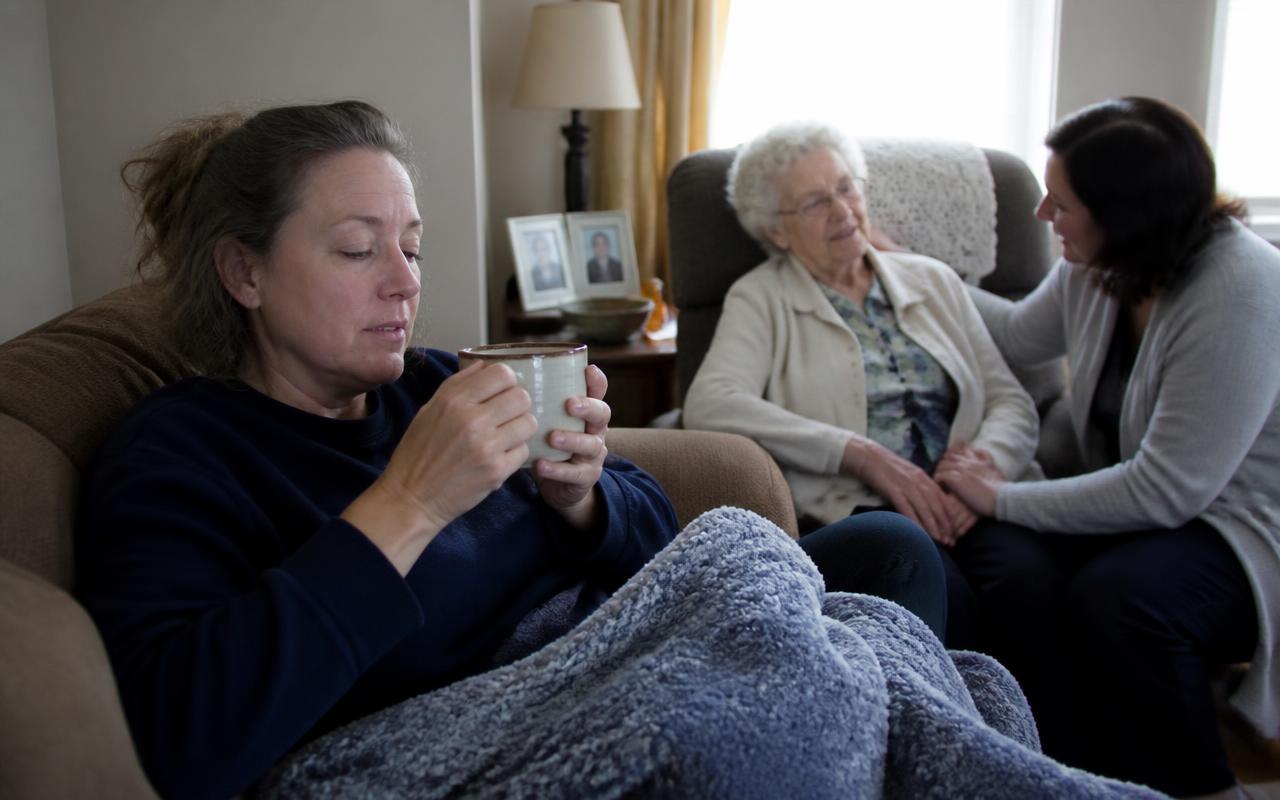
If you are the daughter or son who does everything, you already know how tired you are. Respite care hands the load over to someone competent for a while — long enough to sleep properly, go to your own appointments, work a full week, or take the holiday you keep postponing.
We ask you to walk us through the routine once, in detail, and we follow it. You get a short note on how things went so you can come back to a clear picture rather than a guessing game.
What this usually includes
- Planned cover by the hour, day or week
- Short-notice help when something comes up
- Overnight and weekend relief
- The same caregiver each time wherever possible
- A written handover of how the visit went

05
24-hour & live-in care
Nights are when families worry most. With 24-hour care, caregivers work in shifts so that someone is always awake and alert. With live-in care, one caregiver stays in the home, sleeps there, and is there for anything that comes up in the night.
This is usually the alternative that keeps someone out of a facility after a fall, a hospital stay, or a diagnosis that makes living alone unwise. We will sit down with you and work out honestly which of the two fits your parent, your home, and your budget.
What this usually includes
- Waking overnight cover in rotating shifts
- Live-in caregiver based in the home
- Help getting to the bathroom safely at night
- Support after a hospital stay or a fall
- A written care plan the whole team follows

06
Memory & dementia care
Memory loss makes routine and familiarity into medicine. That is the strongest reason we send the same caregiver every visit: a face that is recognised does not have to be explained again each morning, and a caregiver who knows the person can spot a difficult afternoon coming before it arrives.
We keep the day predictable, use photographs, music and old stories to anchor it, and stay gentle when things get confusing or frightening. We also keep the family informed about the changes we notice over time, so decisions never have to be made blind.
What this usually includes
- A consistent caregiver and a consistent daily rhythm
- Gentle redirection during confusion or agitation
- Music, photographs and reminiscence activities
- Supervision to reduce wandering and fall risk
- Regular updates to the family on what we observe
Not sure which of these you need? That is normal.
Tell us what the last difficult week looked like and we will tell you what we would suggest — including if that is less help than you expected.
Payment options, insurance and any Medicare or Medicaid participation to be confirmed by the owner before publication.